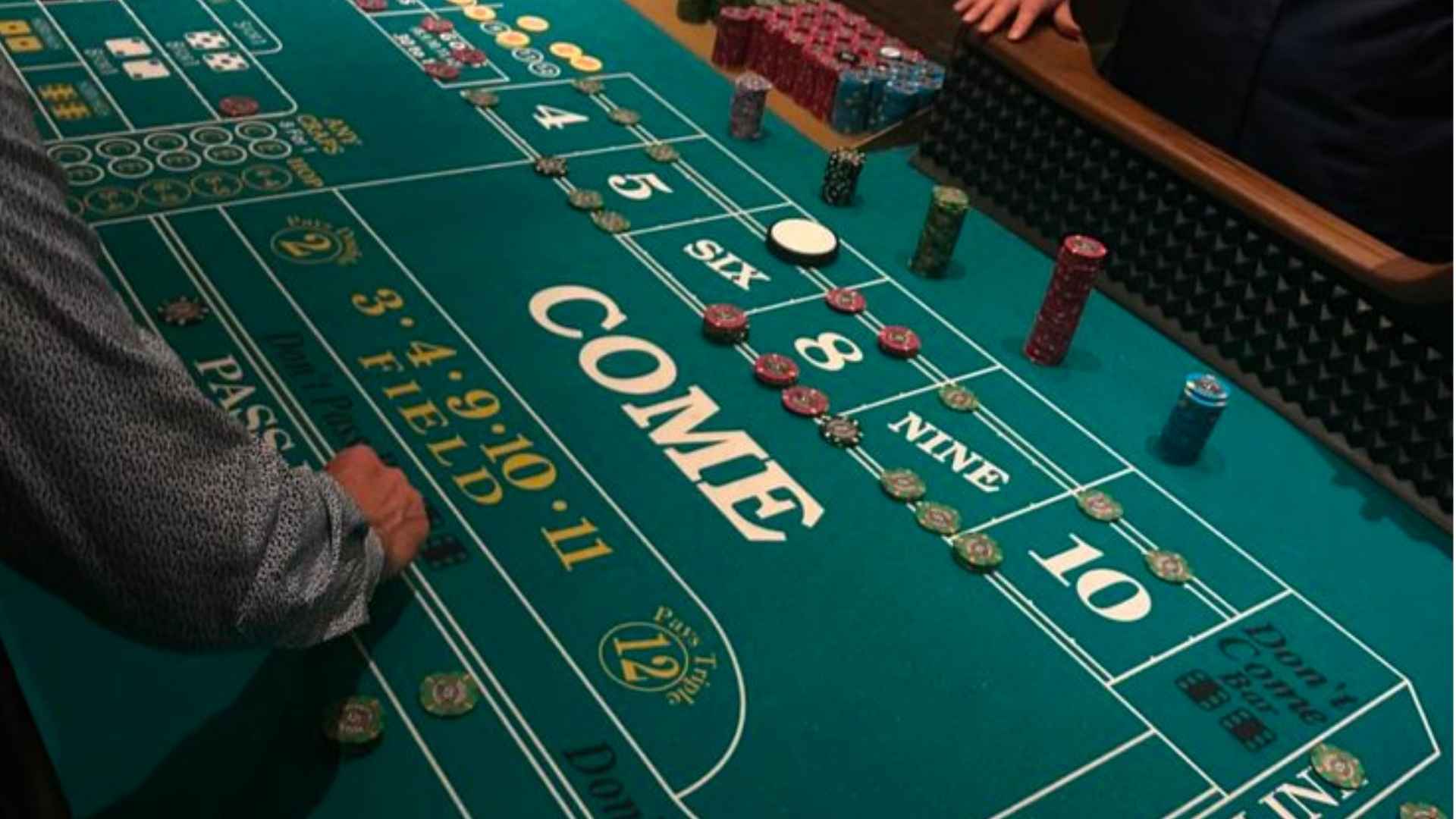
Baccarat tournaments present a unique long-term challenge for players who want to maintain high performance across multiple competitive cycles. Achieving a high level of performance in baccarat tournaments requires a shift from passive guessing to methodical preparation. Understanding the specific structural rules and tracking opponent behaviors can significantly improve your results over time.
The Foundations of Tournament Readiness
Entering a major multi-round tournament can be an incredibly overwhelming experience for both beginners and strategic mind gamers due to the sheer scale of the competitive field. Success in these structured events requires comprehensive preparation, dedicated practice, and strict mental discipline. Proper planning before the first deal ensures that you remain focused on your long-term tournament goals.
Developing a consistent routine helps players transition smoothly from regular casino gameplay into a direct battle against other participants. Competitors must shift their focus from merely outplaying the dealer to tracking the chip stacks of everyone at the table. This structural shift alters how you approach each hand and manage your limited resources.
Strategic Modifications for Elimination Rounds
Baccarat tournaments completely transform the traditional casino game by introducing elimination brackets where players compete directly against each other. Achieving consistent success requires a balanced combination of strategic patience and a thorough understanding of core gameplay principles. Knowing when to preserve your capital and when to make aggressive wagers determines your survival.
During low-variance stretches, incremental betting systems allow you to stay within striking distance of the table leader. If the leader wagers heavily on one side, placing a calculated contrarian bet can quickly close the chip gap. Utilizing tools like a game stick m88 can help you visualize these shifting positions and practice your pacing effectively.
Psychological Control Under Intense Pressure
Reaching the final stage of a competitive card event brings an immense wave of psychological tension that can cloud tactical execution. Maintaining a sharp mental state separates seasoned tournament champions from casual floor participants. True masters learn to ignore temporary setbacks and focus entirely on mathematical probabilities.
Controlling your emotions prevents rash decisions during critical hands when the pressure escalates. Practicing specific scenario responses builds the muscle memory needed to make sound choices under tight time limits. Emotional stability ensures that your long-term strategy triumphs over temporary streaks of good luck.
Analyzing Results for Long-Term Growth
Analyzing your performance after each tournament concludes is essential for shifting from a casual participant to a consistent competitor. Reviewing historical outcomes provides valuable data that shapes your future competitive instincts and decision-making. Every round played offers distinct insights into opponent tendencies and strategic flaws.
Systematically elevating your capabilities over extended periods requires tracking both successful moves and common structural mistakes. Adapting your blueprint based on past data prepares you for evolving modern trends in the gaming community. Dedication to mastering these subtle nuances ultimately leads to better outcomes in future tournament events.