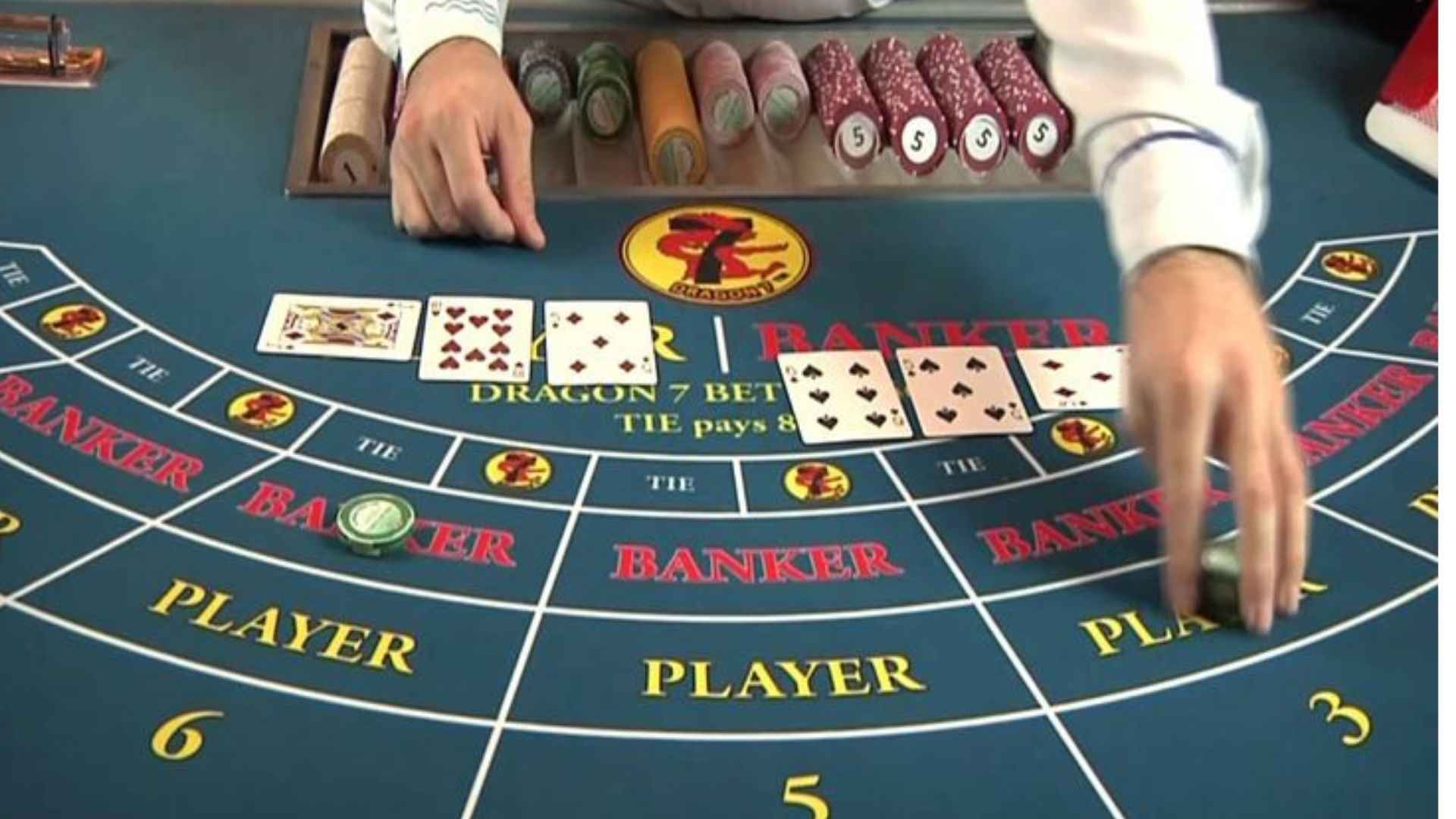
Maintaining mental composure during high-stakes competitive matches is often the ultimate factor that separates champions from average participants. When the pressure peaks and adrenaline floods the body, even seasoned competitors can struggle to keep their focus sharp. Understanding the psychology of stress and applying structured relaxation techniques can transform how you perform under intense pressure.
The Physiology of Competitive Stress
In the heat of a critical round, the brain automatically triggers a fight-or-flight response to the perceived threat of losing. This reaction causes your heart rate to spike, your palms to sweat, and your breathing to become shallow. Recognizing these physical indicators is the first crucial step toward reclaiming control over your emotional state.
When these symptoms begin to cloud your judgment, taking deep and measured breaths can instantly signal safety to your nervous system. By deliberately slowing down your heart rate, you preserve cognitive bandwidth for strategic decision-making. This quick physical reset prevents panic from dominating your thoughts during critical gaming moments.
Practical Grounding Techniques
Grounding exercises are highly effective tools designed to pull your mind away from anxious spiraling and back to the present match. Many professional players rely on sensory checklists to anchor themselves during brief pauses between rounds. This cognitive distraction breaks the loop of negative self-talk before it impacts your execution.
Another popular method is utilizing a physical object like a tactile gaming accessory or a high-quality game stick m88 to anchor your physical focus. Concentrating on the texture and immediate responsiveness of your equipment helps direct your mind away from external distractions. This sensory connection reinforces your muscle memory and brings a sense of familiar stability to the chaotic match.
Reframing the Stakes
How you mentally label a competitive event heavily dictates how much anxiety you will experience on stage. Elite performers use cognitive reappraisal to view high-pressure situations as exciting challenges rather than devastating threats. This subtle shift in perspective reduces performance anxiety and fosters a resilient, growth-oriented mindset.
Instead of fixating on the potential consequences of making a mistake, focus your energy entirely on immediate, controllable actions. Accepting that minor errors are natural parts of competitive play removes the paralyzing fear of failure. By embracing the challenge, you free your cognitive resources to focus purely on executing your next move perfectly.
Establishing Pre-Round Routines
Consistent pre-performance routines serve as psychological anchors that ease transitioning into a competition-ready state. These structured rituals can be as simple as stretching your hands, taking three deep breaths, or repeating a personal focus cue. Practicing these habits consistently builds a reliable mental bridge from everyday relaxation to intense concentration.
A well-prepared mind is naturally more resilient against unexpected setbacks during a live tournament. By building a reliable routine, you ensure that your brain knows exactly how to access a state of calm focus when the timer begins. Over time, these deliberate mental habits lead to sustained confidence and outstanding performance across multiple rounds.