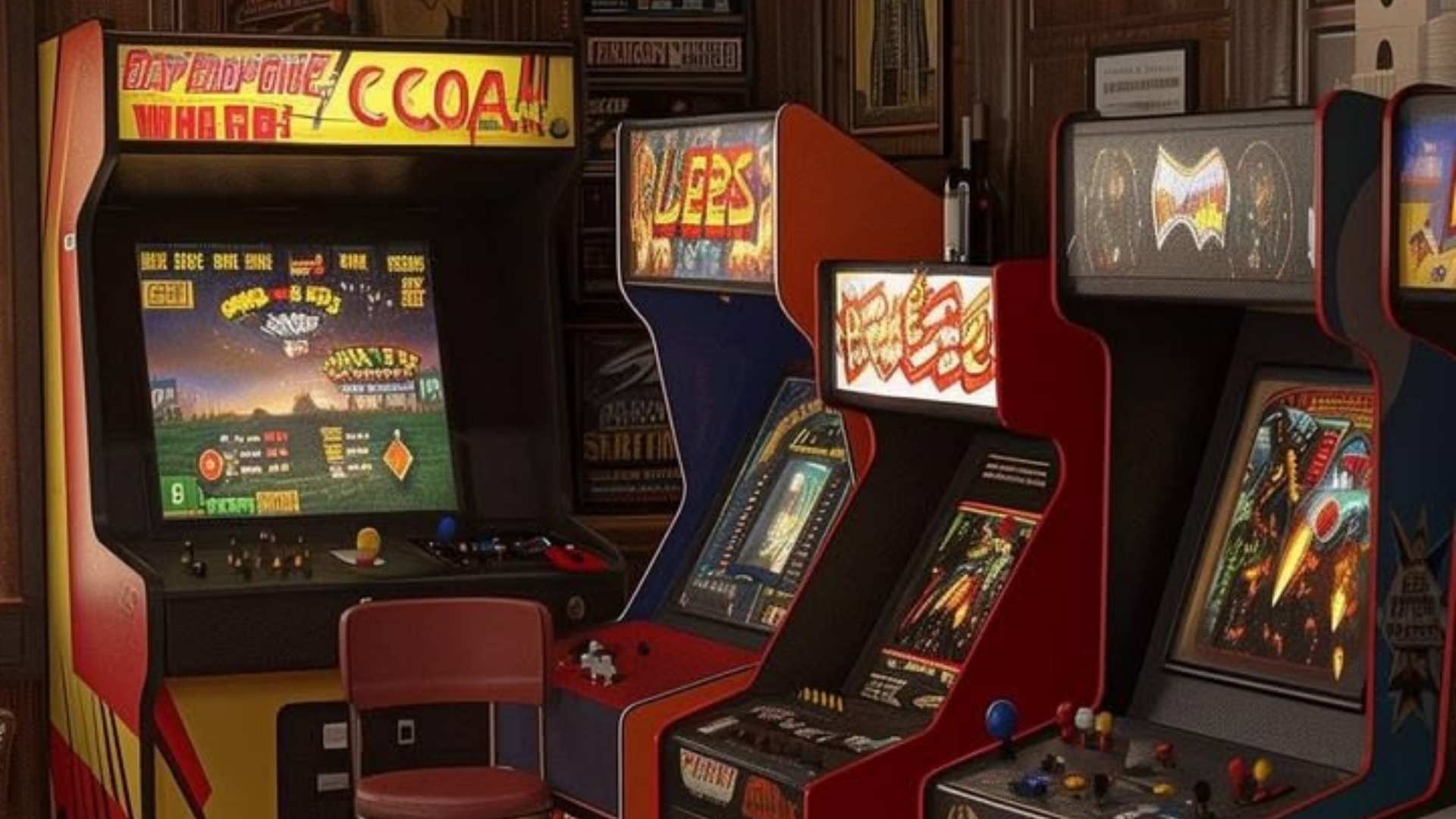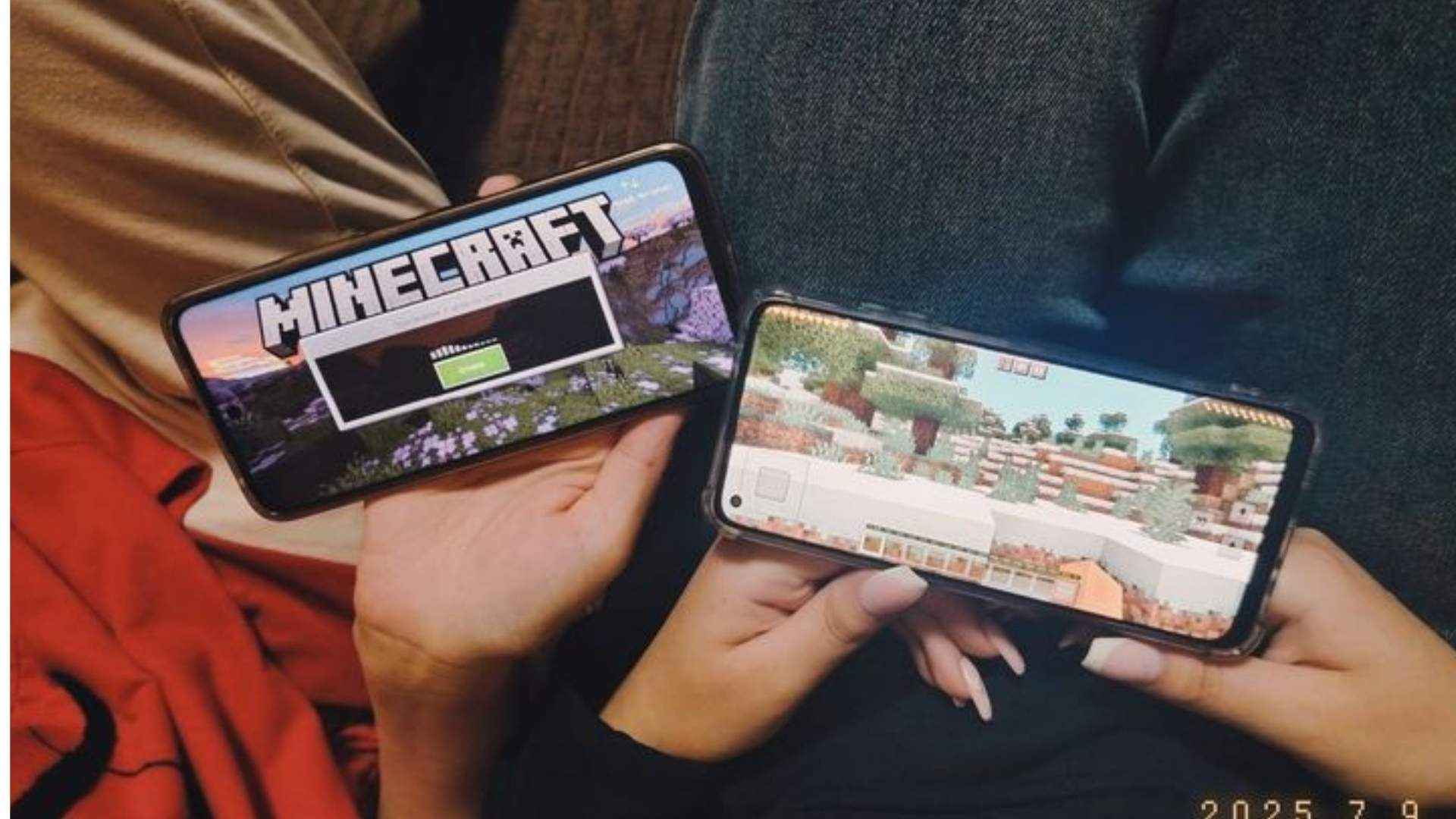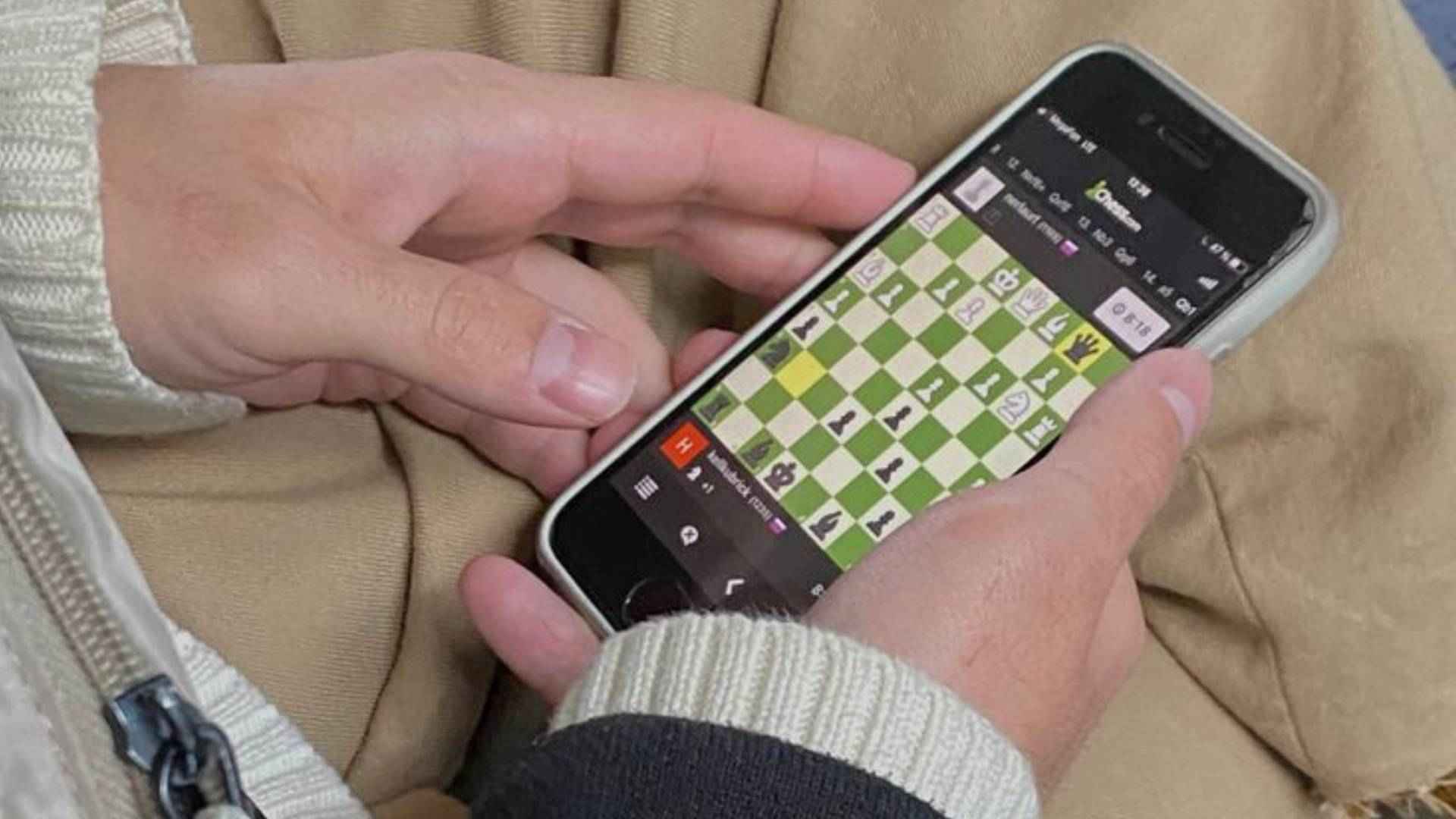
The gaming landscape is full of options, but tabletop experiences hold a distinct place due to how they engage players. Unlike passive entertainment, strategic table games demand active participation, ensuring that every move carries weight and potential. This immersive dynamic creates a rewarding framework where careful observation and calculated risks pave the way for memorable victories.
The Mechanics of Strategic Decision Making
Every turn in a premium tabletop environment presents a unique puzzle for players to solve. Success relies on analyzing current variables, predicting opponent behaviors, and timing your moves perfectly. This continuous cycle of evaluation ensures that players are constantly stimulated and fully responsible for their own outcomes.
Unlike simple games of pure chance, these strategic contests reward deep foresight and patience. Experienced participants learn to recognize subtle shifts in play, turning minor advantages into decisive wins over time. This intellectual challenge is exactly why tabletop classics remain highly popular across generations.
Maximizing Value in Every Turn
In modern tabletop variants, players often find multiple paths to victory rather than a single, rigid route. This flexibility means that even a challenging hand or a bad roll of the dice can be salvaged through clever positioning. Adaptable players can quickly pivot their strategy to exploit new openings left by their opponents.
To practice these tactical adaptations in a dynamic digital setting, utilizing a reliable platform is essential. Beginners can experiment with different approaches by using the game stick m88 setup to refine their decision-making skills. Navigating these scenarios builds the resilience and tactical flexibility needed for high-stakes games.
Building Cognitive Skills Through Structured Play
Engaging regularly with complex table setups does more than just provide entertainment for an evening. It serves as an excellent workout for the brain, sharpening critical thinking, spatial awareness, and memory retention. Players must constantly calculate probabilities and manage resource allocations under pressure.
Furthermore, these activities teach valuable emotional discipline, helping individuals handle setbacks with composure. Learning to view every loss as a lesson directly translates into better problem-solving abilities in everyday life. Consequently, tabletop gaming remains one of the most productive social hobbies available today.